All People Free
Stacks of hand-made clay bricks in a kiln yard at golden hour

How We End This For Good

Building a finish line. Not a forever rescue operation.

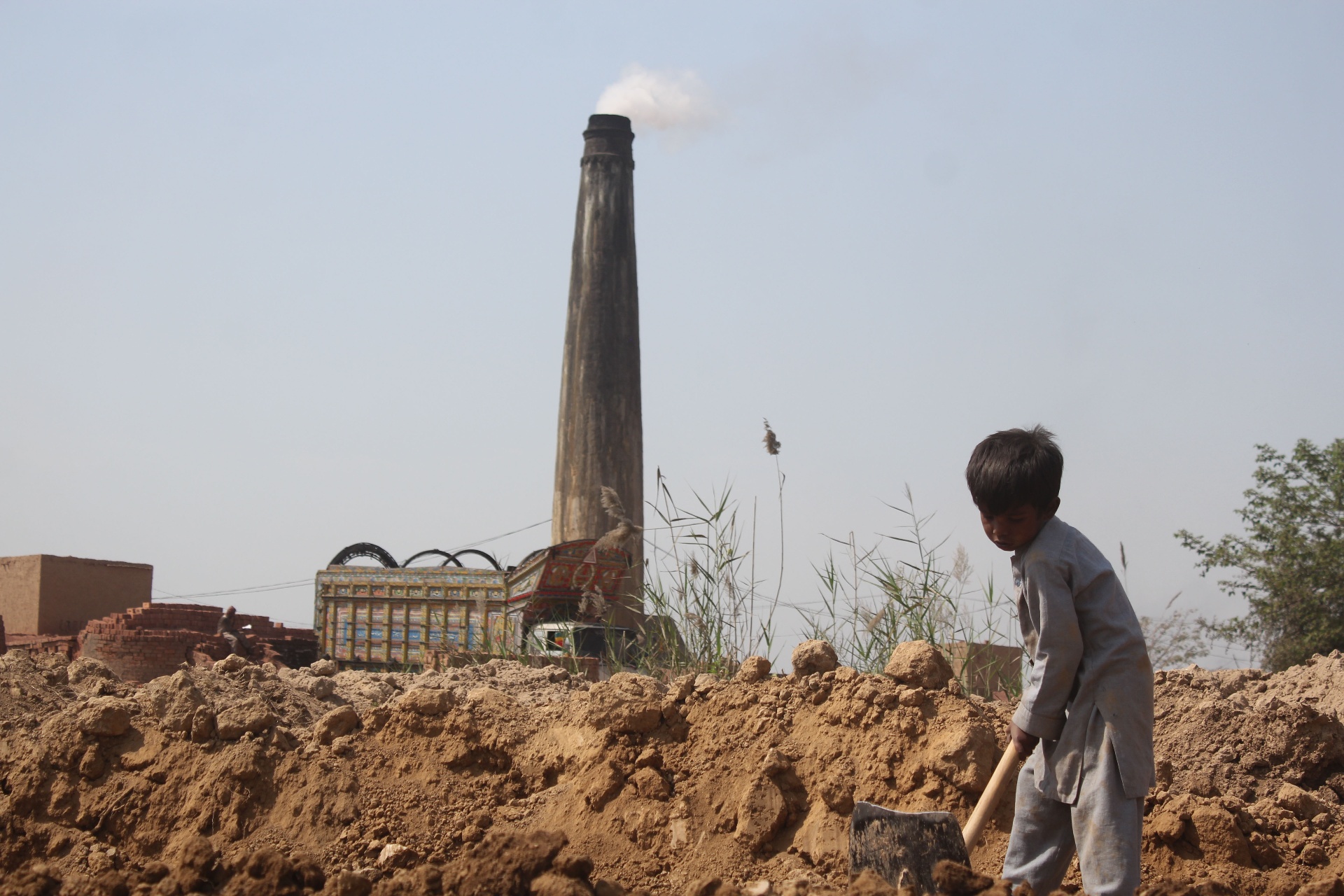
Brick kiln slavery persists because, under current conditions, it is "economically viable." That math only works because the labor is unpaid and unfree. Change the math, and the centuries-old justification disappears.

The thesis

"The technology needed to solve this problem already exists, offering solutions to the systemic issues caused by the outdated, centuries-old method of making clay bricks."

All People Free, Investment Thesis

01

The Centerpiece

The Kiln Infrastructure Investment Plan.

Our goal is to purchase a brickyard and run it as a working prototype that, from day one, gives newly-freed people fairly-paid jobs doing the work they already know how to do, in safe conditions, with the freedom to leave at the end of the day. At the same time, it proves to the entire industry that bricks can be made efficiently, workers can be paid fair wages, and the business can still be profitable.

Step 1

Acquire

Purchase a working brickyard and re-tool it with modern, humane brick-making technology that already exists today.

Step 2

Prove

Operate the prototype with paid workers and modern systems. Demonstrate that the unit economics work, without enslaved labor.

Step 3

Pressure

Use the prototype as a public, undeniable benchmark. Create market pressure that forces the rest of the industry to modernize.

In our own words

"Ultimately, we aim to buy a brickyard to run a prototype system, modeling a more efficient and humane way of making bricks, ending the demand for slave labor."

Interlocking Sustainability Loops

Multiple loops. One outcome.

Around the prototype brickyard, we have deliberately built a set of programs that each work on their own, and reinforce each other when they work together.

02

Education Pipeline

Trade schools that close the door behind you.

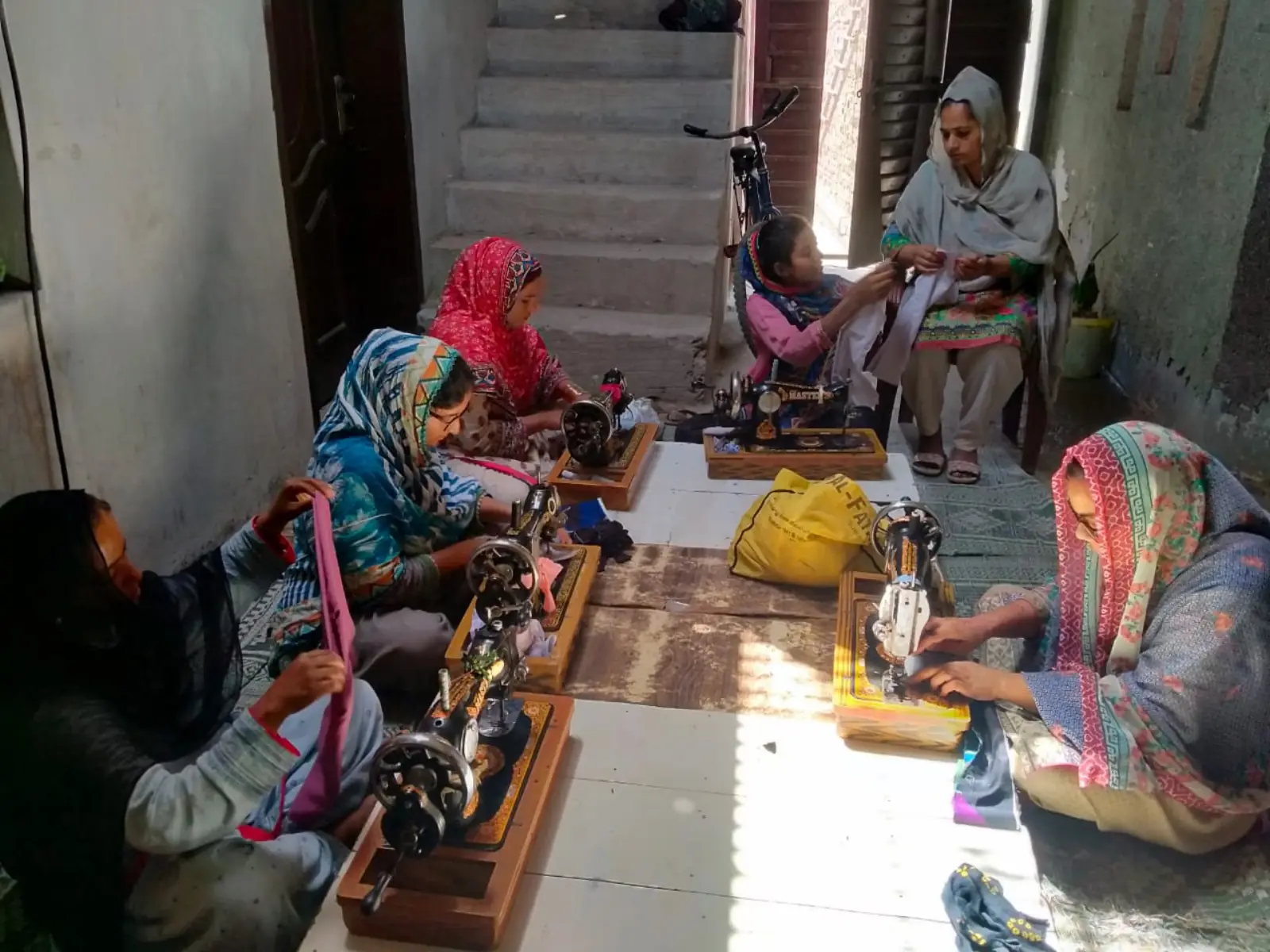
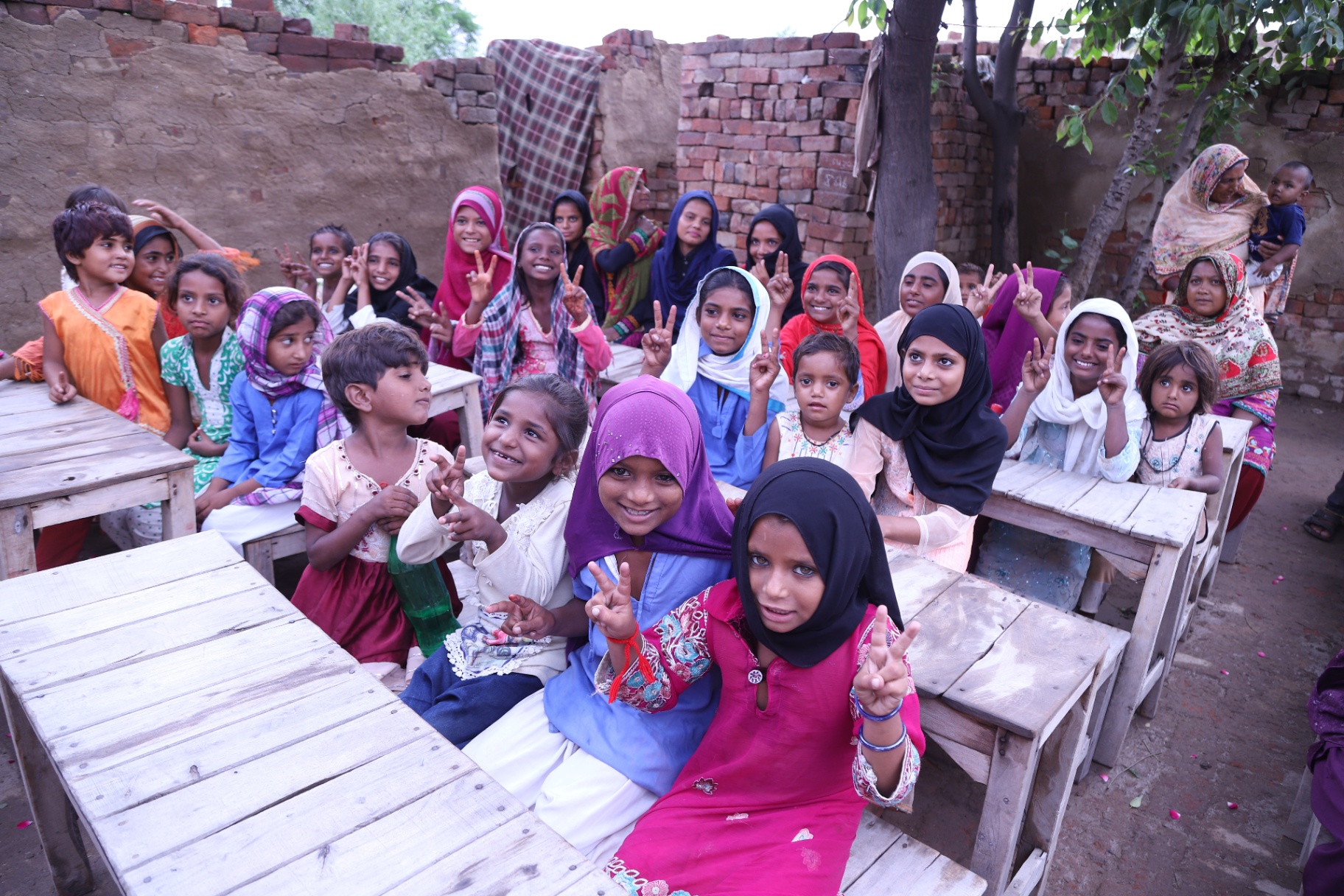
Rescue alone is not freedom. Survivors and at-risk community members come through a vocational pathway that gives them real skills, real credentials, and real economic options. When people have a way to earn outside the kilns, the debt bondage model loses its grip, and those who choose to keep working in brick-making can do so as paid, protected employees rather than captive labor.

  • Vocational training

    Sewing, cosmetology, mechanics, retail, micro-business

  • Long-term independence

    Skills designed to outlast any single grant cycle

  • Cycle-breaking

    Equipping the next generation never to enter the kilns at all
03

Restoration Homes

Where freedom learns how to stay.

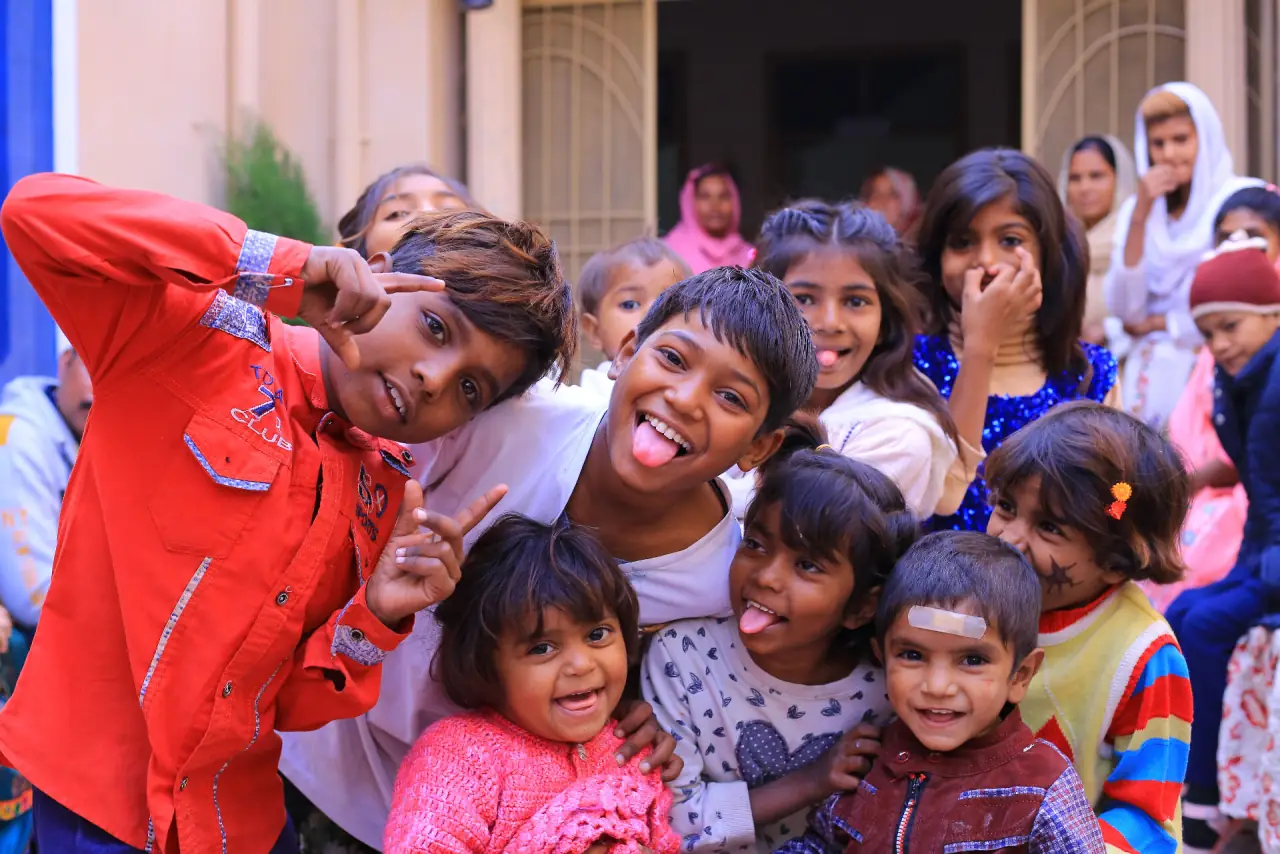
Coming out of kiln slavery is the beginning, not the end. Restoration homes provide safe housing, trauma-informed care, and a structured environment where survivors can stabilize, heal, and rebuild. This is the aftercare infrastructure that makes freedom permanent.

  • Safe housing

    A stable place to live free from coercion

  • Trauma support

    Counseling, healthcare, and dignity-first care

  • A runway forward

    Education and skills that lead into independent lives

04

Survivor-Made Apparel

Employment built into the product.

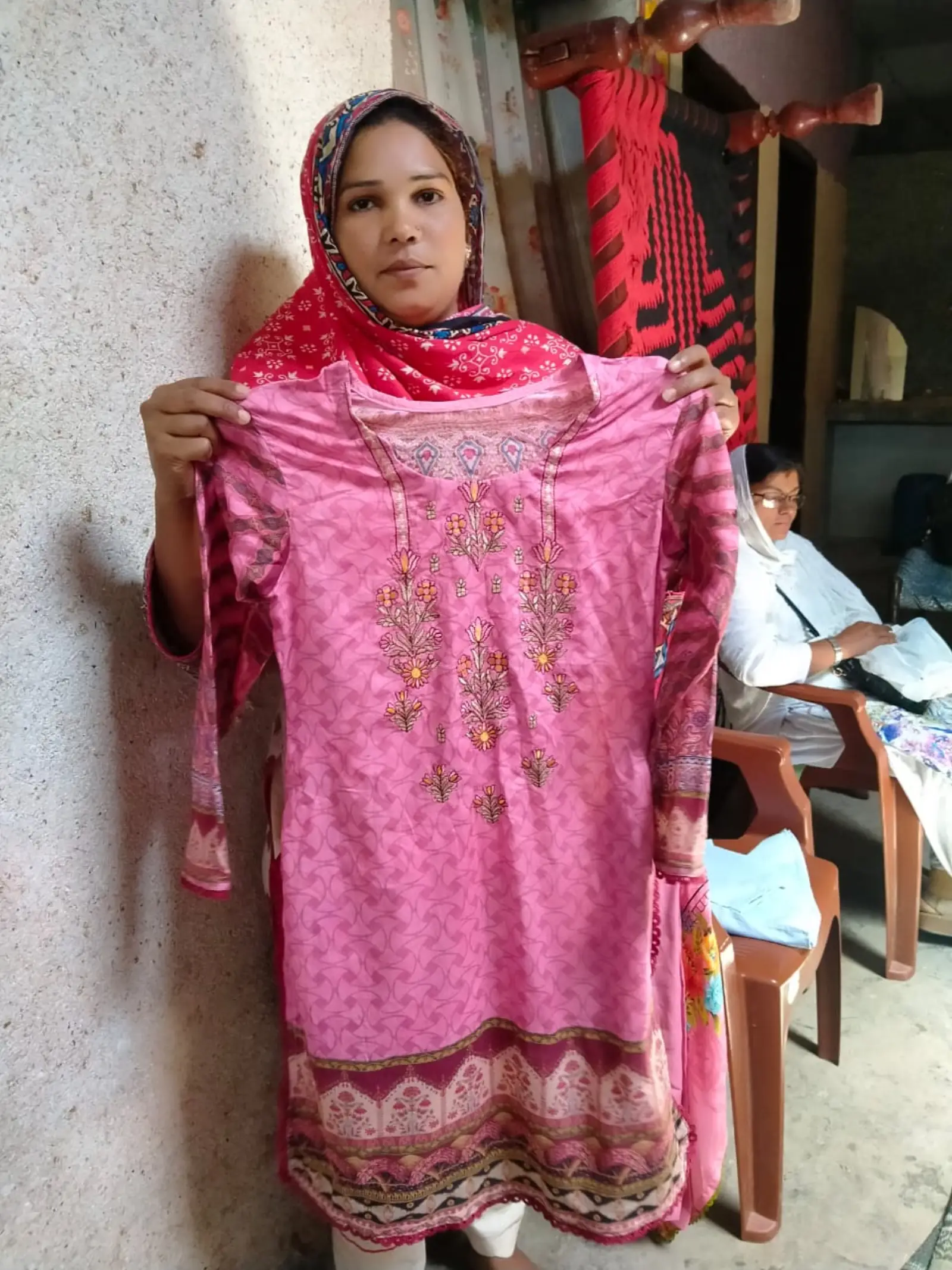
Our apparel line is not merchandise with a cause attached. It is dignified, paid work for survivors, production, design, and revenue, all flowing through the people the system tried to erase. Every purchase funds livelihoods directly and keeps the wider mission self-sustaining.

  • Direct employment

    Survivors earn fair wages making the product itself

  • Self-funding loop

    Revenue feeds operations without depending on grants alone

  • Visible dignity

    Wear the work. Tell the story. Fund the next chapter.

05

The Network

Churches, businesses, schools, and people.

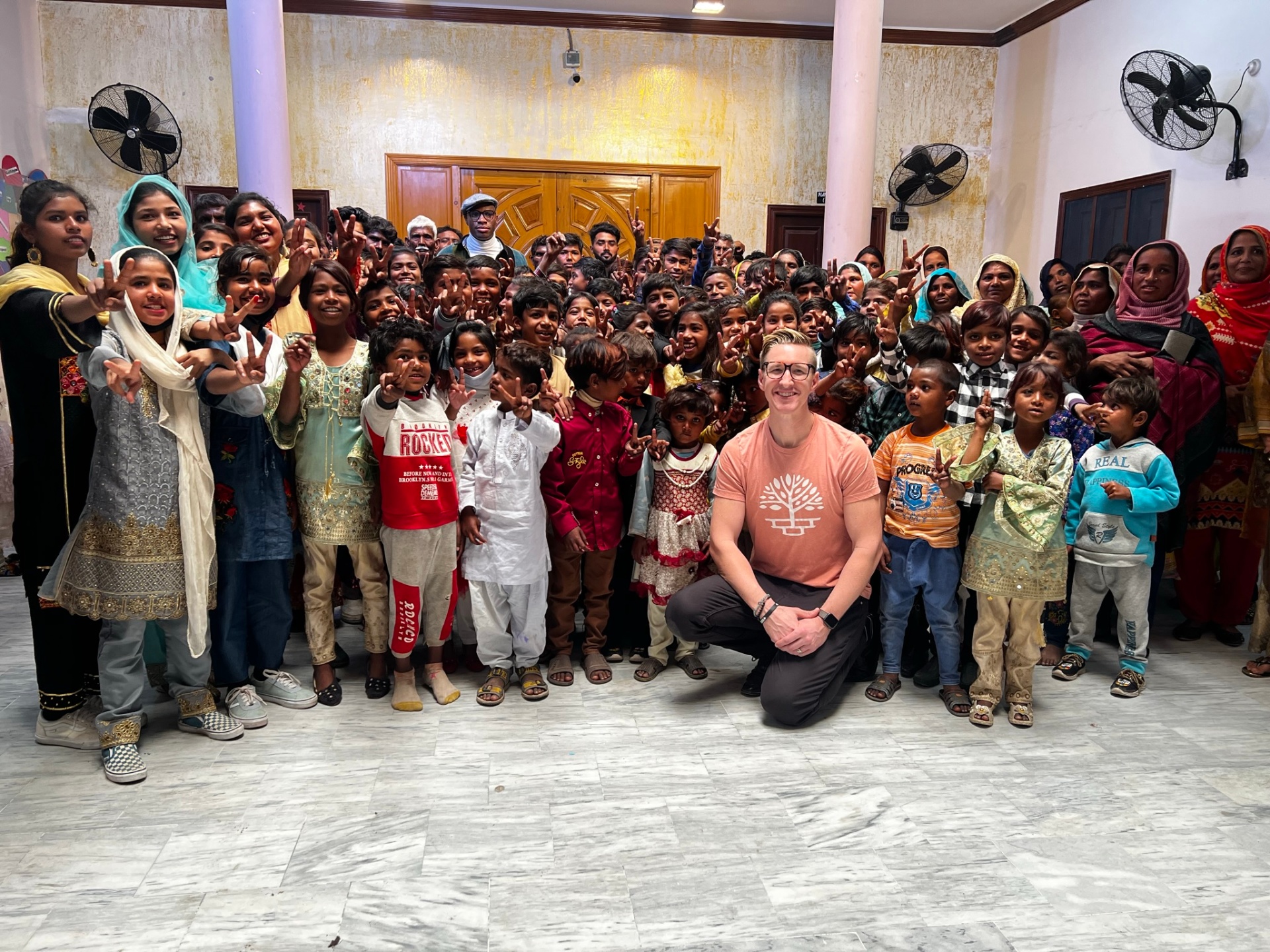
We have built, on purpose, a multi-sector advocacy and funding network. Churches mobilize their congregations. Businesses contribute through CSR partnerships. Schools and universities form the next generation of informed advocates. Individuals become catalysts in their own circles. The work is distributed, and so is its weight.

  • Faith communities

    Ongoing advocacy and fundraising inside congregations

  • Corporate partners

    CSR programs that fund infrastructure, not just awareness

  • Educational partners

    Schools and universities that build long-term understanding

  • Catalysts

    Individuals who carry the message into their own networks

The system, together

None of these depends on the others to work. Together, they outlast everything.

A prototype brickyard creates market pressure. Trade schools create economic independence. Restoration homes create stability. Survivor-made apparel creates employment and revenue. The advocacy network creates ongoing awareness and funding. Five loops, one finish line.

Prototype

Market pressure

Trade Schools

Independence

Restoration

Stability

Apparel

Revenue + jobs

Network

Reach + funding

Help us build the finish line.

Every gift moves us closer to the prototype brickyard, and to a future where the demand for slave labor no longer exists.